Monday, 1 April 2013

Our Flower Shop

Our ever-changing drama centre has been a home centre, doctor's office, the Valley and pizza shop. The children have now voted to turn it into a flower shop. Both the morning and afternoon classes have been working hard to brainstorm what they need in a flower shop and turn their vision into a reality. 

Some of the children decided to turn our tree into a flowering one and have been drawing, painting and collecting flowers to add to it. 


The afternoon children decided that we need to grow flowers in our shop and laid down large brown paper as soil. 


Onto this "soil," many of the children have been "growing" their own sculpted flowers using wire, beads and plasticine that have turned out beautifully. These flowers have taken a great deal of time, patience and fine motor capabilities to create. 


Our flower shop is still very much a work in progress at this point, but already many curriculum areas, such as measurement, counting, adding and subtracting, shapes, spatial sense, reading, writing, science and the visual arts are being explored when playing here.  For example, some children were making use of the index in a book to find wildflowers they wanted to draw. Others were connecting earlier learning when explaining that the flowers in our shop would need sunlight, air and water to grow. 


Our flower shop is a perfect addition to our classroom as a way of welcoming the sunny spring weather and I can't wait to see what other learning will emerge as it continues to grow.

Sunday, 24 March 2013

Amaryllis Revisions


The children and I have enjoyed watching our Amaryllis bulbs grow into beautiful flowers. 


In addition to taking photographs of the flowers, the children decided to draw them. Rather than simply creating a quick sketch, we focused on looking closely at the plant and representing them to the best of our abilities. This often meant that the children required multiple opportunities to draw the Amaryllis in order to produce a representation that was their best work. With each drawing, the children demonstrated an increasing ability to attend to details as they considered the shapes, width, lengths and positions of the parts of the Amaryllis. When they felt they had done their best work, they finalized their drawing using watercolour crayons. 

Here are some of the representations:


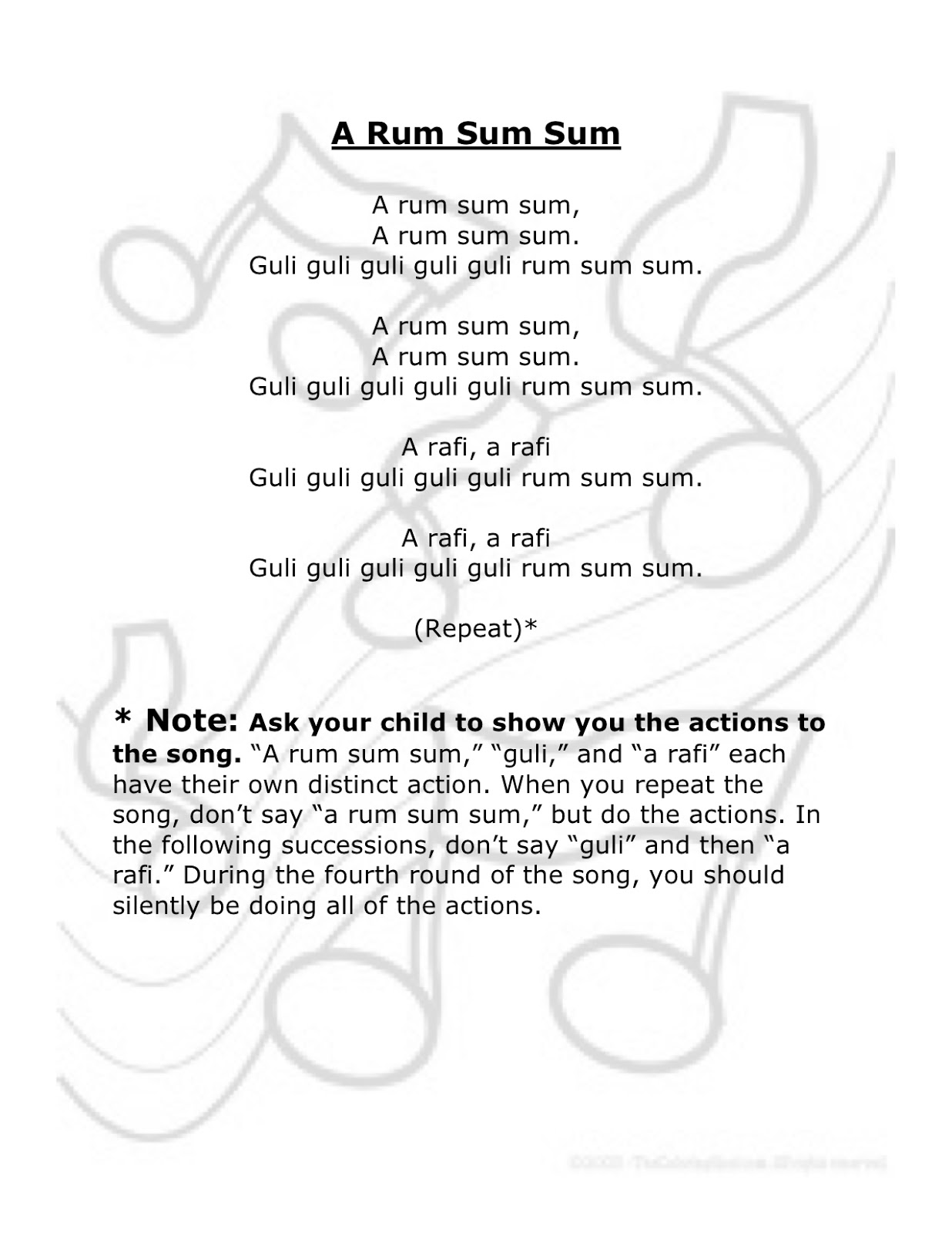
Song of the Week: March 18


Saturday, 16 March 2013

Loose Parts & Found Objects: Sculptures

Earlier this year, we embarked on a journey with "beautiful stuff" in which we collected, sorted, classified and created self-portraits using treasures the children and I brought in from home. As an extension to this, the children used these loose parts and found materials to build their own sculptures.

After exploring the materials, some of the children knew exactly what they wanted to build. Others were asked questions, such as, "What does this remind you of? What can you imagine building with this?" to help get their imaginations going.

Most of the children began by first drawing a blueprint of their design. Then they got to work turning their two-dimensional sketch into a three-dimsensional structure. The final sculptures resulted after days or even weeks of hard work and dedication and were ones the children were extremely proud of.

Here are just some of the examples of what we created:


Many of you have been in to visit the display board outside our classroom that features stories and pictures about the sculpture process, as well as the children's writing about their work. Please continue to pop in and share this exciting learning experience with your child. 


At home: Continue the construction process at home using objects you have lying around (e.g. empty cereal boxes, tin cans, wooden spoons, pots, thread spools). Encourage your child to create a sketch of their design before or even after building and label or write about their work.  The objects do not need to be glued together and instead can be used repeatedly to construct new sculptures. This is a fun and engaging project your child can do with others while learning about topics, such as measurement, balance, stability, shapes and spatial sense.